Quick fix for red wine stains on Putney sofas
Posted on 14/05/2026
If you've just knocked a glass of red wine over a sofa in Putney, take a breath. It happens fast, it looks dramatic, and the first minute can feel a bit panicked. The good news is that a quick fix for red wine stains on Putney sofas is often possible if you act calmly and avoid the usual mistakes. In many cases, the difference between a faint mark and a stubborn stain comes down to what you do in the first few minutes, not the next day.
This guide walks you through the smartest way to handle fresh wine spills on fabric and upholstery, what to do if the stain has already started setting, and when it makes more sense to stop DIY and bring in a professional upholstery cleaner. Along the way, you'll also find practical tips for Putney homes, flats, rental properties, and busy family sofas that see a lot of life. Because let's face it, a sofa is where the damage always seems to happen, right?
For broader home care help and related services, you may also find the company's upholstery cleaning in SW15, domestic cleaning support in SW15, and full services overview useful when you want a cleaner, more consistent result than spot treatment alone can deliver.
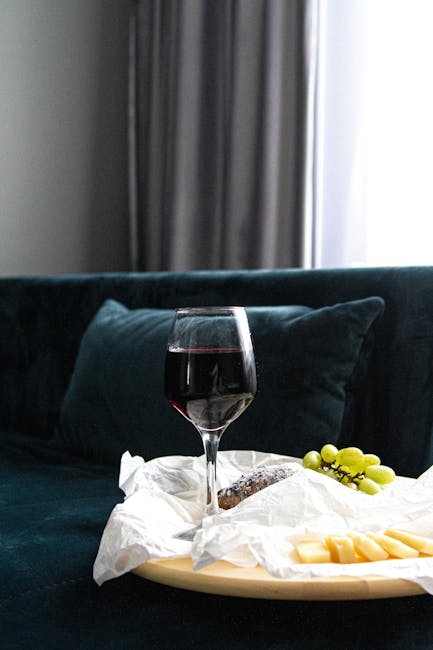
Why Quick fix for red wine stains on Putney sofas Matters
Red wine is one of those spills that looks worse the longer you stare at it. On a sofa, it can wick into fibres, spread beyond the visible edge, and leave a tinted shadow even after the surface looks dry. That matters because upholstery is not like a hard floor: once liquid gets into the weave or cushion filling, you're dealing with both the visible stain and whatever has soaked underneath.
In Putney, that often means a sofa is doing double duty. It might be the main family seat in a compact flat, the centrepiece in a rented living room, or the neat lounge sofa that gets used every evening after work. If a spill lands during dinner, on a Friday night with friends, or during a moving day takeaway, you may not have time for a deep clean. You need a fast, sensible response that limits damage.
A quick fix also matters because the wrong first move can make the stain harder to remove later. Rubbing too hard, adding heat, or reaching for an overly strong cleaner can spread the wine, distort the fabric pile, or create a bleached patch. To be fair, the panic is understandable. But a calm approach usually gives you a much better chance of saving the upholstery.
If the stain happened during a busy social evening, you might even be dealing with a sofa that already sees more wear than average. For local context and lifestyle content around the area, the article on best spots to party in Putney gives a sense of why end-of-evening spills are so common in SW15 homes.
How Quick fix for red wine stains on Putney sofas Works
The basic idea is simple: remove excess liquid quickly, dilute what remains without flooding the fabric, and lift the pigment before it bonds more deeply to the fibres. Red wine contains colour compounds that cling readily, especially on absorbent materials like woven fabric, cotton blends, and some unsealed natural fibres. Once it dries, the stain can become more resistant because the colourants settle into the upholstery structure.
A good quick fix works in layers. First, you stop the spill from travelling. Then you draw out as much moisture as possible with a clean cloth or paper towel. After that, you use a suitable mild solution to loosen the remaining stain. Finally, you rinse or blot carefully so you do not leave behind a cleaner residue that can attract more dirt later.
The tricky part is matching the method to the sofa fabric. A method that is reasonably safe on a synthetic blend might be risky on velvet, linen, suede, or delicate dyed upholstery. So the real skill is not just cleaning fast. It's cleaning fast without causing a second problem.
If you are unsure about the material, check the care label first. If the label is missing or unreadable, treat the sofa as delicate until proven otherwise. That sounds cautious, yes, but cautious is better than regretting a shiny water ring or faded patch later on.
Key Benefits and Practical Advantages
Using the right quick fix does more than improve appearance. It can protect the sofa from deeper staining, reduce odour, and help avoid permanent fabric damage. It also buys you time. If the stain is only partly removed at first, a proper follow-up clean is still much easier than tackling a fully set mark later.
Here are the practical advantages people usually care about most:
- Faster stain reduction: fresh wine is much easier to lift than a dried-in stain.
- Less risk of spreading: careful blotting keeps the stain from travelling across the arm or seat cushion.
- Better chance of saving the fabric: mild methods are gentler on upholstery fibres and dyes.
- More hygienic finish: removing wine promptly prevents sticky residue and lingering smell.
- Lower chance of costly replacement: small accidents do not automatically become a sofa disaster.
There is another benefit that's easy to overlook: confidence. Once you know what to do, you stop guessing. And honestly, that can be half the battle when you are staring at a dark red mark on a pale sofa at 9:30 in the evening.
For households thinking beyond a one-off spill, the company's house cleaning in SW15 and carpet cleaning in SW15 pages are useful if you want a broader refresh after a busy season of entertaining or moving in and out.
Who This Is For and When It Makes Sense
This guide is for anyone who needs a practical response, not a chemistry lecture. If you live in Putney and have a fabric sofa, a corner unit, a loveseat, or even a dining bench with upholstery, the principles are broadly the same. The method makes particular sense if the spill is fresh, the stain is small to medium, and the fabric is not marked as dry-clean only or otherwise highly delicate.
It is especially relevant for:
- homeowners who want to avoid permanent staining
- renters who need to protect their deposit and keep the room presentable
- landlords and letting agents managing a property between tenancies
- families with frequent everyday spills and a well-used living room sofa
- people preparing a home for sale or viewings and needing quick visual improvement
That last point matters more than people think. If you are selling a home or preparing it for photos, even a faint wine mark can make a room feel less cared for. The local guide on Putney home sales is a good reminder that presentation counts when you are trying to create a strong first impression.
When does DIY stop making sense? If the stain is old, large, already scrubbed, or on a delicate fabric such as velvet, silk blend, or suede-like upholstery, it's usually wiser to pause and assess. If the cushion has deep padding and the spill soaked through, surface treatment alone may not be enough. Truth be told, some stains look small and are not. They hide.
Step-by-Step Guidance
Here is a practical, low-risk method for a fresh red wine spill on a sofa. Keep it calm and steady. Speed matters, but rough handling does not.
- Blot immediately. Use a clean white cloth or paper towel to lift the wine. Press gently. Do not rub. Rubbing pushes pigment deeper into the fibres and can fray the pile.
- Work from the outside in. Start at the outer edge of the spill and move towards the centre. This helps prevent the stain from spreading outward.
- Add a little cool water. Lightly dampen the area if the fabric allows it. The aim is to dilute, not soak. A small amount is usually enough.
- Blot again. Keep blotting with a clean section of cloth until no more wine transfers. If the cloth is saturated, swap it out. Don't keep using the same red patch, that just feels silly but it happens.
- Use a mild solution if needed. For many washable upholstery fabrics, a tiny amount of gentle liquid soap mixed with water can help. Apply sparingly to the cloth, not directly to the sofa.
- Test first in a hidden area. Check a small, unseen spot such as the back edge or under a cushion. Wait for drying before deciding if the colour stays stable.
- Blot the treated area. Use the damp cloth to lift the stain, then follow with a dry cloth to remove moisture and residue.
- Let it dry naturally. Open a window if you can. A fan can help, but avoid direct heat unless the care label says it is safe.
If the stain is still visible after the area dries, repeat the process once or twice rather than escalating straight away to harsh products. Patience often beats brute force. The sofa will usually tell you if it is coping well; if the fabric looks stressed, stop.
For new residents in the area, the piece on moving to Putney gives a useful sense of how easily a fresh home can get a few marks during the settling-in period. Moving boxes and red wine are a less glamorous combination than anyone hopes.
Expert Tips for Better Results
There are a few small details that make a surprisingly large difference.
Use white cloths rather than coloured towels. You do not want towel dye transferring to a light sofa. Plain white cotton is boring, but very useful. Old T-shirts can work well too, if they are clean.
Keep the cleaning motion gentle. The goal is lifting, not scrubbing. Think press, release, press. Not backyard car-wash energy.
Control the moisture. Over-wetting is one of the most common reasons stain removal fails. Water can push the red pigment deeper or leave a ring once the area dries.
Mind the cushion shape. If possible, clean the cover and support the cushion underneath with a dry towel. That helps stop the liquid from soaking through to the other side.
Watch for colour transfer. If the cloth starts picking up the sofa's dye as well as the wine, stop immediately. That is usually a sign the upholstery is not responding well to the method.
Act on the smell too. Wine can leave a faint sour note even when the stain looks smaller. A gentle, fabric-safe follow-up clean may help after the visible mark is reduced.
If your home runs on a careful, eco-minded routine, you may appreciate the company's eco-friendly cleaning approach. It's a sensible fit for readers who prefer milder products and less harsh residue around the home.
A small but useful trick: keep a dedicated stain kit somewhere sensible, not buried under batteries and old receipts. A cloth, a spray bottle, and a note about the sofa care label can save a lot of stress. You know how it is. You need it once and then suddenly it's nowhere to be found.

Common Mistakes to Avoid
Most stain disasters happen because someone is trying to help quickly. That's understandable. Still, these are the pitfalls that create bigger problems than the original spill.
- Rubbing the stain: this spreads the wine and can rough up the fibres.
- Using boiling water: heat can set some pigments and damage delicate fabrics.
- Pouring cleaner directly onto the sofa: it is better to apply cleaner to a cloth first.
- Using bleach or strong chemicals without checking the fabric: this can strip colour or weaken the material.
- Ignoring the care label: different fabrics behave very differently.
- Trying ten products in a row: mixed chemicals and repeated wetting often make things worse.
- Letting the stain dry without any action: fresh treatment is far easier than post-party regret the next morning.
A lot of people also forget that some upholstery has a protective finish and some does not. If a sofa has been professionally cleaned before, it may respond better to spot treatment. If it has never been cleaned properly, the wine may behave quite differently. That little detail matters more than most people expect.
Tools, Resources and Recommendations
You do not need a cupboard full of specialist products to deal with a fresh red wine spill. In many cases, the right basics are enough.
| Tool or Item | Why It Helps | Best Use |
|---|---|---|
| Clean white cloths | Blotting without colour transfer | First response and drying |
| Paper towels | Good for quick liquid pickup | Fresh spills before deeper cleaning |
| Cool water | Dilutes pigment safely when used lightly | Fresh stains on suitable fabrics |
| Mild liquid soap | Can loosen residue gently | Washable upholstery only, tested first |
| Soft-bristled upholstery brush | Helps lift fibres lightly after treatment | Only with caution on appropriate fabrics |
| Fan or open window | Speeds drying and reduces odour | After blotting and rinsing |
Sometimes the smartest resource is not a product, but a professional service that understands fabric types and stain behaviour. If the sofa is particularly valuable, antique, or awkwardly stained, browsing the company's pricing and quotes page can help you gauge the next sensible step without guessing.
For broader trust and service information, these pages can also be useful if you want reassurance before booking: insurance and safety information, health and safety policy, and about the company.
Law, Compliance, Standards, or Best Practice
For a household stain, there is no special legal rule about how you must clean a sofa. Still, best practice matters, especially if the property is rented or managed professionally. In the UK, landlords, letting agents, and tenants usually benefit from keeping cleaning methods sensible, documented where necessary, and consistent with the sofa manufacturer's care guidance.
If you are a tenant, it is generally wise to avoid aggressive DIY methods that could damage the upholstery. If you are a landlord or property manager, you may want a straightforward record of what was attempted and whether a specialist clean was needed later. That can help avoid confusion at checkout, and it is simply good housekeeping.
For readers managing properties, the company's end of tenancy cleaning in SW15 and landlord end-of-tenancy checklist are especially relevant when spills happen close to a move-out date. A single red wine stain is not usually a legal issue, but it can become a practical dispute if left unaddressed.
Also worth noting: always follow the sofa care label where available, and use products in line with manufacturer instructions. That is the safest baseline, and in many cases, the most reasonable one too.
Options, Methods, or Comparison Table
Not every stain needs the same response. The best method depends on how fresh the spill is, what the sofa is made from, and how much risk you can tolerate.
| Method | Best For | Pros | Watch Outs |
|---|---|---|---|
| Plain blotting with cloth and water | Very fresh spills on most washable fabrics | Gentle, simple, low risk | May not fully remove deeper pigment |
| Mild soap solution | Fresh to moderately fresh stains on suitable upholstery | Can lift residue effectively | Needs patch testing; avoid over-wetting |
| Upholstery cleaner | Stains that remain after basic blotting | More targeted stain treatment | Product choice matters a lot by fabric type |
| Professional upholstery cleaning | Delicate fabrics, older stains, large spills, or repeated marks | Best chance of even cleaning and minimal risk | Costs more than DIY, but may save the sofa |
For many Putney homes, the honest answer is a blend: do the immediate emergency response yourself, then book a deeper clean if the mark lingers. That balanced approach is often the most practical and the least stressful.
Case Study or Real-World Example
Picture a Friday evening in a Putney flat. Friends are over, someone is carrying a glass of red wine past the sofa, and there's that awful little slip of the hand. A splash lands on the seat cushion. Nothing dramatic at first, but in the next ten seconds the colour sinks in and the room goes quiet in that very human, very awkward way.
The first response is simple: grab a white cloth, blot gently, and keep the spill from spreading. In this kind of situation, the person who acts quickly and calmly usually gets the best result. The stain may not disappear entirely on the first pass, but it often becomes much smaller and lighter. That makes a later upholstery clean far more effective.
Now compare that with the common second reaction: someone rubs harder, adds a random kitchen spray, then starts over-wetting the area because the stain "still looks there." That's when a small spill can turn into a faded patch, a water ring, or a stain that has soaked too deep for simple removal.
This is why the quick fix matters. Not because it guarantees perfection, but because it prevents panic from becoming permanent damage. And that is often enough to save the day.
Practical Checklist
Use this quick checklist the moment red wine lands on the sofa.
- Blot immediately with a clean white cloth or paper towel
- Do not rub the stain
- Check the sofa care label before using any liquid
- Test cleaning solution on a hidden area first
- Use cool water sparingly if the fabric allows it
- Apply mild cleaner to the cloth, not directly to the sofa
- Work from the outside of the stain towards the middle
- Repeat blotting with clean cloth sections as needed
- Let the area dry naturally
- Call a professional if the stain remains, spreads, or the fabric is delicate
Expert summary: The safest quick fix for most red wine stains is still the simplest one: blot fast, use minimal moisture, avoid harsh chemicals, and stop before you damage the fabric. If the sofa is valuable or the stain is old, a specialist clean is often the smarter move.
For a more complete clean after the emergency has passed, you may want to explore the company's Putney High Street flat carpet cleaning checklist too, especially if the spill happened in a busy living space where carpets, chairs, and sofas all need attention.
Conclusion
A red wine spill on a sofa is never ideal, but it does not have to turn into a long-term mark. The best quick fix for red wine stains on Putney sofas is a calm, fabric-safe response: blot first, use only as much moisture as needed, test before treating, and avoid the temptation to scrub the life out of it. Simple, really. Not always easy in the moment, but simple.
If the stain is fresh, you have a good chance of reducing it significantly. If it is older, delicate, or already spread into the cushion, there is still a strong case for professional upholstery cleaning rather than more DIY guesswork. And in a Putney home that sees real daily use, that's often the most sensible decision you can make.
Get a free quote today and see how much you can save.
When a sofa is cleaned well, a room feels lighter, calmer, more like home. That small change has a bigger effect than people expect.