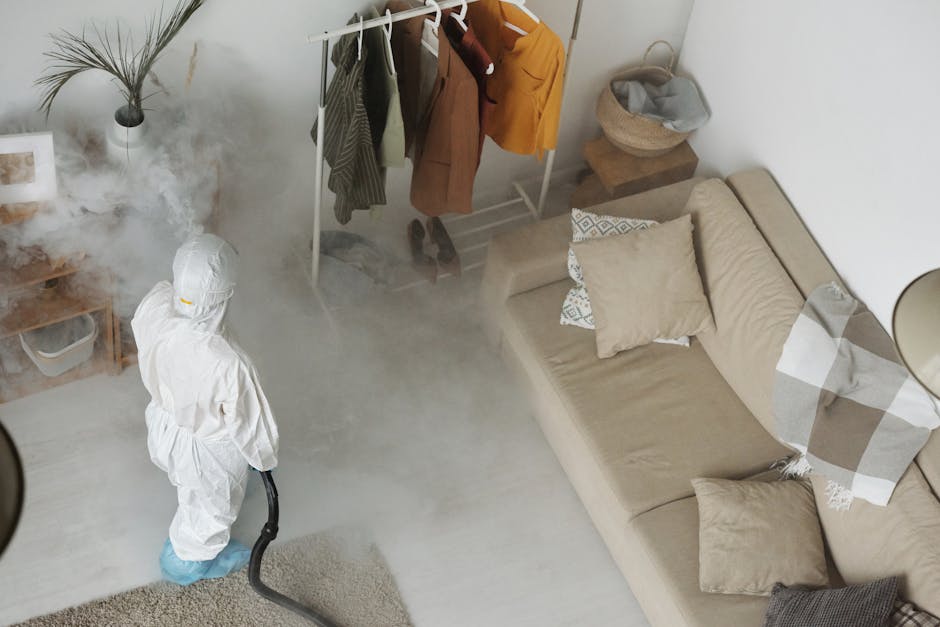
Odour removal for basements near Putney Bridge
Posted on 22/05/2026

Odour Removal for Basements Near Putney Bridge: A Practical Guide to Fresher, Safer Spaces
If your basement has started to smell damp, musty, earthy, or just plain unpleasant, you are not imagining it - and you are definitely not alone. Odour removal for basements near Putney Bridge usually means dealing with more than a surface smell. In many homes and lower-ground spaces, the problem sits in the fabric of the room: trapped moisture, hidden mould, poor airflow, old carpet backing, leaks, or contamination left behind after a flood or long period of disuse.
That can be frustrating, especially in a place like Putney Bridge where properties often mix period character with lower-level storage rooms, converted basements, rented flats, and busy family homes. The good news? Once you understand where the smell is coming from, you can tackle it properly instead of just masking it with sprays and candles. This guide walks through what basement odour removal involves, how it works, what to avoid, and when it makes sense to bring in professional help.
Why Odour Removal for Basements Near Putney Bridge Matters
Basement odours are rarely just a nuisance. They can point to a wider issue that affects comfort, cleanliness, and even how a property is used day to day. A room that smells stale or damp tends to get avoided, which means storage piles up, ventilation gets worse, and the smell often grows stronger. Bit of a spiral, really.
Near Putney Bridge, basements may be used as utility rooms, home offices, guest rooms, storage areas, or occasionally as converted living space. In all of those cases, persistent odour can make the space feel unusable. If the smell is linked to damp or mould, there may also be a practical risk to belongings stored there - books, soft furnishings, cardboard boxes, shoes, and fabrics tend to hold onto odours for ages.
It also matters because odour is often one of the first signs that something else is going on. A faint earthy smell can mean condensation. A sour smell may suggest bacteria in a hidden wet area. A sewage-like smell may point to drainage problems or contaminated water. The earlier you identify the cause, the easier it usually is to fix.
For households planning a move, sale, or tenancy handover, this becomes even more important. A fresh basement helps the whole home feel better maintained. If you are also thinking about wider property presentation, you may find our Putney home sales guide and end of tenancy cleaning in SW15 useful alongside this article.
How Odour Removal for Basements Near Putney Bridge Works
Proper odour removal is usually a process, not a single product. The goal is to remove the source, reduce what the smell has soaked into, and stop the conditions that allowed it to build up in the first place. In a basement, that often means tackling moisture, residues, and airflow together.
Here is the basic logic:
- Find the source: Damp walls, leaking pipework, old flooring, mould growth, rotten organic material, stagnant water, or contaminated items.
- Dry the space: Improve ventilation, use dehumidification where appropriate, and make sure the area is safe to work in.
- Clean thoroughly: Remove dirt film, dust, mould residue, and any spilled or absorbed material.
- Treat affected surfaces: Depending on the material, this may involve specialist cleaning, odour-neutralising treatment, or safe disposal of damaged items.
- Prevent recurrence: Address leaks, condensation, storage habits, and airflow.
That sounds straightforward on paper. In practice, basements can be awkward. Air movement is poor, materials are often absorbent, and smells can become trapped in carpet, underlay, plasterboard, timber, and insulation. If a room has a musty smell in the morning but seems better later in the day, that is often a sign that humidity is still the key issue.
One useful distinction: odour neutralising is not the same as scent masking. A perfumed spray may make the room smell nicer for an hour. It does not solve the problem. Truth be told, it can sometimes make it harder to notice the real source.
Key Benefits and Practical Advantages
When basement odour is dealt with properly, the benefits are very noticeable. It is not just about making the air smell cleaner. The whole space behaves differently.
- More usable space: A basement that no longer smells damp can actually be used without hesitation.
- Better comfort: The room feels cleaner, lighter, and less enclosed.
- Improved property presentation: Helpful for buyers, tenants, landlords, and homeowners preparing for visitors.
- Less risk to stored items: Fabrics, paper goods, and soft furnishings are less likely to absorb lingering smells.
- Early problem detection: Removing the smell properly often reveals hidden leaks, mould spots, or drainage issues that need attention.
- Longer-lasting results: A proper clean lasts far longer than a quick fragrance treatment.
There is also a quieter advantage: peace of mind. If you walk downstairs and do not get that stale, wet smell at the door, the whole house tends to feel better. That sounds small, but anyone who has lived with a bad basement smell knows it is not small at all.
For people who want to make lower-ground spaces feel more polished, it can help to think alongside other local services too, such as carpet cleaning in SW15 or upholstery cleaning in SW15, because odours often settle into soft materials as well as the room itself.
Who This Is For and When It Makes Sense
Basement odour removal is relevant to a surprisingly wide group of people. If you are wondering whether your situation really needs professional attention, the short answer is: possibly, yes, if the smell keeps returning.
This is especially useful for:
- Homeowners with a lower-ground room that smells musty after rain
- Landlords dealing with complaints between tenancies
- Tenants who have moved into a property and noticed a persistent smell
- Property investors looking to improve rental appeal
- Families using a basement for storage, laundry, or hobbies
- People preparing a property for sale or post-renovation use
It makes sense to act when the smell is persistent, gets worse in humid weather, or returns after cleaning. It also makes sense if you have had a leak, flooding, a drainage issue, or a period where the space was shut up for weeks. If the odour is strong enough that you notice it every time you open the door, that is usually a signal, not a coincidence.
For landlords, it can be especially important to deal with basement odour between lets. A lingering smell can undermine an otherwise tidy property, and in some cases it may trigger complaints or delay move-in. If that is your world, take a look at the end of tenancy cleaning checklist for SW15 landlords for a broader handover perspective.
Step-by-Step Guidance
If you want a sensible, practical approach, start here. This is the kind of process that usually gives better results than jumping straight to strong chemicals or air fresheners.
- Identify the odour type. Musty, mouldy, sewage-like, smoky, earthy, chemical, or pet-related smells all point in different directions.
- Check for visible moisture. Look at walls, floor edges, pipework, window wells, corners, and behind stored items.
- Clear the room. Remove cardboard, textiles, and anything that may have absorbed smell. If it can be cleaned elsewhere, do that first.
- Ventilate and dry. Open suitable openings where possible. Use airflow and dehumidification if the space and conditions allow it.
- Clean hard surfaces. Wipe walls, skirting, floors, shelves, and accessible ledges. Dust and residue hold odour more than people expect.
- Inspect soft materials. Carpet, rugs, curtains, upholstery, and stored fabrics often need specialist attention or removal.
- Treat the source. If there is mould, sewage, standing water, or a persistent leak, fix that first. Otherwise the smell comes back. Almost always.
- Test after drying. Reassess the room when it is fully dry. Wet environments can mislead your nose.
- Put prevention in place. Use better storage, maintain airflow, and monitor humidity or reappearance of smell.
A practical note: if you are in a rush to make the room smell acceptable before guests arrive, start with cleaning and drying rather than perfume. A calm, neutral smell is much better than a heavy scent sitting on top of damp air. Everyone notices that trick, by the way.
Expert Tips for Better Results
Some of the best results come from small decisions made early. Here are a few tips that make a real difference in lower-ground spaces near Putney Bridge.
- Don't clean over damp: If the space is still wet, you are often just sealing smell into the room a little longer.
- Watch the edges: The worst odour often sits along floor perimeters, behind stored boxes, and in corners where airflow barely reaches.
- Use storage that breathes: Plastic boxes are better than cardboard for moisture resistance, but leave a bit of room around them so air can circulate.
- Check after weather changes: Some basements smell worse after rain or warm, muggy days. That pattern is useful information.
- Remove the "hidden sponge" items: Old rugs, underlay, blankets, and soft toys can keep a smell long after the room seems clean.
- Be careful with strong fragrances: They can irritate the nose and hide the actual issue without solving anything.
If the basement is attached to a larger cleaning project, it can help to coordinate the work with the rest of the property. Our services overview gives a sense of how different cleaning tasks fit together, and for a local domestic refresh, house cleaning in SW15 is often a sensible companion service.
Expert takeaway: In basement odour work, the smell is usually the symptom. Moisture, contamination, and poor airflow are the causes. Deal with those three, and the result is far more stable.

Common Mistakes to Avoid
Most failed odour-removal attempts have one thing in common: they focus on the smell and ignore the source. That is the trap. It is easy to fall into, especially when the room needs to be usable quickly.
- Using only air fresheners: Fine for a quick freshen-up, useless for a true basement smell problem.
- Keeping contaminated items in place: Cardboard, damp fabric, or mouldy soft furnishings can keep reintroducing odour.
- Skipping drying time: A room that feels "mostly dry" may still be holding plenty of moisture in hidden layers.
- Ignoring drainage or leaks: This is a common one. Fix the smell first, then find out it returns two weeks later because the leak was left alone.
- Overusing harsh chemicals: They can damage surfaces or create their own smell problems. Not ideal.
- Assuming all musty smells are mould: Sometimes the issue is condensation, trapped humidity, or organic residue rather than obvious mould growth.
Another mistake is treating the basement as separate from the rest of the property. Smells travel. If carpets, hallways, or nearby upholstery have absorbed odour, the whole home may need attention. That is where a broader cleaning plan can help, including this Putney High Street flat carpet cleaning checklist if carpeted areas are involved.
Tools, Resources and Recommendations
You do not need a shed full of specialist kit to get started, but the right tools make the process far smoother. In many basements, simple equipment plus patience does more than a dramatic product with a big label.
| Tool or resource | What it helps with | Best use case |
|---|---|---|
| Dehumidifier | Reduces moisture in the air and helps surfaces dry | Musty or condensation-prone basements |
| Quality vacuum | Removes dust and debris that trap smell | Cleaning hard floors, shelves, and fabric edges |
| Microfibre cloths and neutral cleaner | Cleans residue without leaving heavy fragrance | Hard surfaces, skirting, shelving |
| Protective gloves and mask | Helps when dealing with mould, dust, or contaminated items | Any suspicious or dirty basement conditions |
| Moisture-aware storage boxes | Limits future odour absorption | Long-term basement storage |
For people who prefer a greener approach, it is worth exploring cleaning methods that avoid unnecessary heavy fragrance or harsh residue. Our page on eco-friendly cleaning explains that approach in a broader sense, and it fits basement work well when the aim is a cleaner, fresher space without overwhelming the room.
If you are comparing help options, you may also want to look at pricing and quotes so you can plan the work sensibly rather than guessing. Nobody enjoys surprise costs, least of all when the basement already smells bad.
Law, Compliance, Standards, or Best Practice
Basement odour removal itself is not a regulated specialist activity in the way some trades are, but there are still important UK best-practice considerations. If the smell is tied to mould, sewage contamination, or flood residue, the work should be handled carefully and with appropriate cleaning and waste practices. If items are heavily contaminated, they may need to be disposed of safely rather than cleaned and put back into use.
In rented properties, landlords and managing agents should treat persistent damp or odour issues as something that deserves prompt attention, especially if the problem affects habitability or leads to repeat complaints. In a practical sense, that means documenting the issue, inspecting for causes, and arranging the right remediation rather than only applying a cosmetic fix.
Health and safety matters too. If there is visible mould, sewage residue, or standing water, avoid unnecessary exposure. Use gloves, consider respiratory protection if dust or spores are present, and keep the area ventilated where possible. It is also sensible to follow any relevant company procedures when work is carried out by a professional team. If you want to understand the general approach to safe working, the site's health and safety policy and insurance and safety information are useful trust pages to review.
For anyone concerned about how a service handles personal data or booking details, the privacy policy is also worth a look. That may sound dry, but it matters when you are inviting someone into a private part of your home. Basement work often involves storage, access, and a bit of awkward lifting, so clear communication helps more than people expect.
Options, Methods, or Comparison Table
Different odour problems call for different levels of treatment. Here is a simple comparison to help you think it through.
| Method | Best for | Limitations | Typical outcome |
|---|---|---|---|
| Ventilation and drying | Mild damp or stuffy air | Won't solve hidden contamination | Good first step, often essential |
| Deep cleaning of surfaces | Dust, residue, light odour on hard materials | May not reach inside absorbent materials | Cleaner, fresher room with less smell |
| Specialist carpet or upholstery treatment | Smells trapped in textiles | Not enough if the source is moisture or mould | Noticeable improvement in soft furnishings |
| Source remediation | Leaks, drainage faults, mould, contaminated water | Takes longer and may require follow-up | Best chance of lasting improvement |
| Odour neutralising treatment | After cleaning, once the source is addressed | Not a standalone fix | Helps finish the job cleanly |
For many properties, the best answer is a combination. That is especially true in lower-ground spaces with mixed surfaces. A carpeted storage room needs a different approach from a bare concrete basement with a pipe leak. Same smell, different fix. Simple as that.
Case Study or Real-World Example
A typical Putney Bridge basement scenario goes something like this: a homeowner uses the room for storage, notices a persistent musty smell after a wet spell, and assumes it is just the season. They put in a scented product, open the door more often, and move on. For a week, it seems better. Then the smell comes back - stronger after rain.
Once the space is cleared, the real issue becomes clearer. There is a small amount of moisture at the room edge, old cardboard boxes have absorbed the smell, and a rug lying near the wall has held onto it even more. The room does not need a miracle. It needs a proper reset: remove the absorbent items, clean the hard surfaces, dry the space properly, and check whether the humidity is being controlled. In some cases, the next step is a specialist clean for carpeted or upholstered pieces through a service like domestic cleaning in SW15 or a targeted carpet treatment if flooring is part of the problem.
The important part is this: once the source is handled, the space stops fighting you. It feels usable again. Less "what is that smell?" and more "right, I can actually keep things down here." That is the real win.
Practical Checklist
Use this checklist if you are trying to get a basement back under control. Keep it simple and work through it in order.
- Identify the smell type and when it is strongest
- Check for visible damp, leaks, mould, or drainage issues
- Remove cardboard, textiles, and contaminated storage items
- Ventilate the room safely and allow it to dry fully
- Clean hard surfaces with a suitable neutral cleaner
- Treat or remove soft furnishings that hold odour
- Address the cause, not just the smell
- Recheck the room after drying and after rain
- Improve long-term storage and airflow
- Bring in professional support if the smell persists
If you are a local resident who has just moved or is settling into a new property, our guide to moving to Putney can be a handy companion piece. Fresh starts are easier when the downstairs spaces are sorted too.
Conclusion
Basement odour removal near Putney Bridge is really about restoring control: control of moisture, control of cleanliness, and control of how the space feels when you open the door. A clean-smelling basement is not just a nice extra. It can change how the whole property functions.
Start with the source. Dry properly. Remove what has absorbed the smell. And if the problem keeps returning, do not waste time layering on more fragrance. That route usually goes nowhere fast. A sensible, step-by-step approach is far more effective, and a lot less annoying.
If you would like help with the wider clean-up, including carpets, soft furnishings, or a full property refresh, you can explore the site's services overview and the relevant local cleaning pages to see what fits your space best.
Get a free quote today and see how much you can save.
And if you are tackling a stubborn basement smell right now, take it one step at a time - the room can come back, and usually does.