
Mould in Putney flats: emergency clean and cost guide
Posted on 10/06/2026
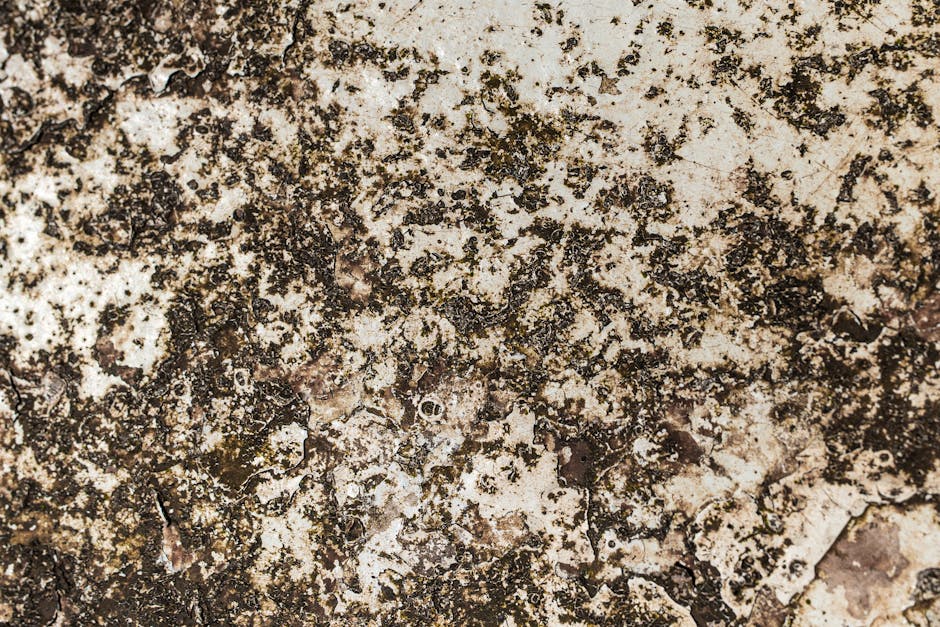
If you have spotted black specks on a bathroom seal, a damp patch behind a wardrobe, or that faint musty smell that seems to appear overnight, you are not overreacting. Mould in Putney flats can move fast, damage finishes, and create awkward conversations between tenants, landlords, and managing agents. This guide on Mould in Putney flats: emergency clean and cost guide explains what to do first, what a proper emergency clean usually involves, what drives the price up or down, and how to decide whether a small clean-up is enough or whether you need deeper remediation.
You will also find practical checklists, a simple comparison table, and a realistic cost framework. No drama, no fluff. Just the stuff people actually need when the ceiling stain is getting bigger by the hour.
Why Mould in Putney flats: emergency clean and cost guide Matters
Mould is not just an ugly patch on a wall. In flats, it often points to a moisture problem that may be coming from condensation, poor ventilation, a leak, or a hidden cold bridge in the building fabric. In Putney, where many homes are in converted period buildings, compact flats, or modern developments with tight insulation, the conditions can be ideal for mould to return if the root cause is missed.
That is why an emergency clean is only part of the picture. A quick spray might make a wall look better for a week, but if the room still traps moisture, the problem comes back. And then you are paying twice. Sometimes three times. Let's face it, nobody wants that.
The cost question matters too. A small, localised mould clean in a bathroom is a different job from a hallway, bedroom, or window reveal with widespread growth. If a carpet, sofa fabric, or mattress has been affected, the process becomes more careful and the pricing shifts with it. If you want broader seasonal prevention ideas for Putney homes, it can help to look at related advice in the Upper Richmond Road homes deep-cleaning guide and the wider Putney cleaning blog.
There is also a landlord-tenant angle. For rental flats, mould complaints can quickly turn into disputes about ventilation, occupancy, cleaning habits, or building maintenance. A clear emergency response protects the property and makes the next step much easier to agree on.
Expert summary: treat visible mould as both a cleaning job and a moisture warning. If you only clean the stain, you may be missing the reason it appeared in the first place.
How Mould in Putney flats: emergency clean and cost guide Works
An emergency mould clean is usually a same-day or next-day visit designed to contain the issue, remove visible contamination, and reduce the chance of spread. The exact approach depends on what has been affected: a painted wall, tile grout, silicone, plaster, timber, curtains, or soft furnishings. The more porous the surface, the trickier the clean.
In practical terms, a proper service usually follows four stages:
- Inspection: identify the visible growth, the likely moisture source, and any safety concerns.
- Containment: protect nearby areas so spores and debris do not spread around the flat.
- Cleaning and treatment: remove surface contamination using suitable methods for the material involved.
- Drying and advice: check the area is dry enough to reduce immediate recurrence and explain next steps.
The cost usually reflects more than labour time. It can include access difficulties, protective materials, specialist products, follow-up work, and whether the team needs to handle soft furnishings, carpets, or odour issues. A small patch on a bathroom ceiling is one thing. A mouldy bedroom corner behind a heavy wardrobe is another entirely.
If the mould has affected carpets, underlay, or fabric seating, the clean may overlap with other services. For example, a damp carpet edge can sometimes be treated as part of a broader carpet clean, while a contaminated sofa may need upholstery treatment. That is one reason readers often cross-check related topics such as carpet cleaning in SW15 and upholstery cleaning in SW15 when assessing the full job.
Cost guides should always be read as guidance, not a promise. Real pricing depends on the condition of the flat, the cause of the mould, and whether the clean is a one-off response or part of a larger remedial job.
Key Benefits and Practical Advantages
A good emergency mould clean does more than make a room look acceptable again. It buys you time, limits spread, and helps you make a calmer decision about the bigger issue. When people are stressed, they often clean the visible patch and leave the source. A proper service helps stop that cycle.
- Faster containment: visible growth is dealt with before it spreads to adjoining surfaces.
- Reduced smell: that damp, stale odour often improves once contaminated material is treated or removed.
- Better habitability: the flat feels usable again, which matters a lot in bedrooms and living rooms.
- Cleaner handover: useful for end of tenancy situations or pre-sale presentation.
- Clearer next steps: you can tell whether the issue is surface-level or likely to return.
There is also a practical emotional benefit. Once a mould patch is visible, people tend to notice every mark in the room. It becomes all you can see. A prompt clean restores a bit of control, which sounds small, but in a flat you are already juggling laundry, heating bills, and maybe a dehumidifier humming away in the corner. That hum, by the way, is often a clue that moisture is not leaving the room as it should.
For landlords and managing agents, the advantage is straightforward: a documented response can reduce escalation and show that the problem was not ignored. For tenants, it can make a property safer and easier to live in while the root cause is investigated.
Who This Is For and When It Makes Sense
This guide is for anyone dealing with visible mould in a Putney flat, but the decision to book an emergency clean depends on the situation. In some cases, you need a professional immediately. In others, a careful interim clean and monitoring plan may be enough.
You should consider an emergency clean if:
- the mould is spreading quickly across a wall, ceiling, or sealant
- there is a strong musty smell that will not go away
- the affected area is near a bedroom or child's room
- the mould has reached soft furnishings, carpets, or mattresses
- you are preparing for check-out, a new tenancy, or a property viewing
- you suspect the contamination is returning after a previous clean
It may be better to inspect first if:
- the growth is very limited and the source is obvious, like condensation at one window corner
- you have just had a leak fixed and want to confirm the area is dry
- the affected material looks fragile or heavily stained, which may need remediation rather than cleaning alone
Putney flats vary a lot. A top-floor conversion with sloping ceilings behaves differently from a ground-floor flat near a cold wall or a basement-style property. If you have recently moved, the context matters too. Packing, heating patterns, and closed windows can all make condensation worse. For moving-related context, see moving to Putney and Putney's local housing character.
Step-by-Step Guidance
If you are dealing with mould right now, keep the process simple. The goal is to protect people, protect the flat, and avoid making the contamination worse. Do not scrub blindly and hope for the best. That is how tiny jobs become bigger ones.
1. Stop the moisture source if you can safely do so
If there is a visible leak, switch off affected water where appropriate and arrange repairs. If the issue is condensation, increase ventilation straight away. Open windows briefly, use extractor fans, and keep doors ajar where practical. A few hours of stale air is usually worse than a bit of London noise, truth be told.
2. Keep the area contained
Move soft items away from the affected zone. Avoid dragging mouldy fabric through the flat. If the patch is on a wall near furniture, create a little working space so the clean can be done properly.
3. Photograph everything
This is helpful for tenants, landlords, and agents alike. Take clear pictures of the affected area before anything is touched. If the mould is linked to damage, having a record makes later conversations far easier.
4. Decide whether it is a surface clean or a broader issue
Small patches on tiles, sealant, or painted surfaces may be suitable for emergency cleaning. Larger patches, soft furnishings with deep contamination, or repeated growth point to a moisture or building defect that should be assessed more carefully.
5. Clean using the right method for the surface
Different materials behave differently. A sealed tile line can usually be treated more simply than plasterboard or fabric. If in doubt, a professional approach is safer than over-wetting the area, which can make things worse.
6. Dry the room thoroughly
Drying is not a finishing touch; it is part of the job. A room that still feels cool, damp, or closed in can invite mould back. Good airflow matters. So does steady background heating in the colder months.
7. Set a follow-up date
If the cause is not obvious, check the area again in a week or two. If the stain returns, you are no longer dealing with a simple clean. That is your sign to look deeper.
Expert Tips for Better Results
Here is the plain truth: the best mould clean is the one that does not need repeating every few weeks. A few sensible choices can make a big difference.
- Ventilate after showers and cooking. This sounds basic because it is basic, but it is also one of the biggest factors in flats.
- Do not push furniture tight against cold walls. Leave a little air gap so moisture can escape.
- Dry laundry carefully. Indoors drying is often unavoidable in London, but if the room is already damp, it makes the problem worse.
- Check around windows and sealant. Early signs are often tiny: a smudge, a smell, a patch of condensation that lingers too long.
- Act before the stain turns dark. The longer mould sits, the more likely it is to stain surfaces permanently.
One small but useful observation: if the window still fogs up long after the rest of the room clears, that room is telling you something. Listen to it. A bit dramatic, maybe, but buildings do have a way of speaking if you know what to watch for.
If the flat has a recurring odour, you may also need a deeper clean in the surrounding area. For background reading, the odour removal guide for basements near Putney Bridge is useful because damp smell and mould often travel together.

Common Mistakes to Avoid
Mould clean-ups go wrong most often because people rush. Fair enough, it is unpleasant and you want it gone. But speed without the right method can make the job more expensive later.
- Using too much water: wetting porous surfaces can spread moisture deeper into the material.
- Painting over mould: this hides the stain briefly and locks the problem in.
- Ignoring hidden areas: behind wardrobes, under windowsills, and around bath panels are classic trouble spots.
- Cleaning without fixing ventilation: a tidy room with poor airflow is still a mould risk.
- Assuming all black marks are harmless: some are surface staining, some are active growth. You need to tell the difference.
- Delaying because it is "just a small patch": small patches can become stubborn very quickly, especially in winter.
Another common mistake is treating the cost as the only issue. The cheapest clean is not always the best value if it misses the source. A slightly more thorough service can save a lot of repeat work, and frankly, that is often the smarter spend.
Tools, Resources and Recommendations
You do not need a van full of specialist kit to deal with every small mould problem, but having the right basics helps. For a safe and sensible interim response, the usual starting points are:
- gloves and a simple face covering where dust or spores may be disturbed
- clean cloths or disposable wipes
- mild cleaning solution suitable for the surface
- a bucket or spray bottle, used carefully
- good airflow from windows or extractor fans
- an indoor thermometer or humidity check, if you already have one
- dehumidification, where the room remains persistently damp
For more general service planning, it may help to review the company's services overview, pricing and quotes, and insurance and safety information. Those pages are useful if you are trying to judge what level of support makes sense for a flat rather than a house.
If the issue is linked to end-of-tenancy cleaning, the timing becomes even more important. A mould patch left until the last day often means rushed decisions and higher stress. Related guidance such as the end of tenancy checklist for SW15 landlords can help with planning before handover.
Law, Compliance, Standards, or Best Practice
This is an area where it pays to be careful. Mould can be a housekeeping issue, a maintenance issue, or something that points to property condition concerns. In rented flats, landlords and agents should respond promptly to reports, especially where dampness or recurring mould may affect habitability. Tenants, meanwhile, should report the issue early and avoid actions that could worsen damage, such as aggressive cleaning on delicate surfaces.
Best practice in the UK typically means keeping a record of:
- the date the mould was reported
- photos of the affected area
- any visible leak, condensation pattern, or ventilation concern
- the cleaning method used
- what advice was given after the clean
For occupied flats, communication is part of compliance in the broader sense, even when the legal details vary by situation. If a property is repeatedly affected, the issue may be structural, not cosmetic. That is why services pages and company policies matter too. A clear approach to health and safety policy, terms and conditions, and complaints procedure gives everyone a better framework.
Best practice is also about honesty. If a patch is beyond a surface clean, say so. If drying time is needed, say so. If the flat's layout is contributing to recurring damp, say so. That kind of clarity usually prevents bigger problems later.
Options, Methods, or Comparison Table
Not every mould issue needs the same response. Here is a simple comparison that helps separate the common options.
| Approach | Best for | Typical strengths | Limitations |
|---|---|---|---|
| DIY spot clean | Very small patches on suitable surfaces | Quick, low cost, useful for early intervention | Easy to miss the cause, risky on porous surfaces |
| Emergency professional clean | Visible growth that needs prompt attention | Faster containment, better for rented flats, more controlled process | May not solve the root moisture issue alone |
| Deep remedial treatment | Recurring mould, hidden damp, soft furnishing contamination | Addresses wider spread and more stubborn cases | Higher cost, may involve multiple visits |
| Repair plus clean | Leak, seal failure, poor ventilation, or building defect | Best long-term value when the source is known | Requires coordination and sometimes access planning |
How to choose: If the mould is new, small, and surface-level, a quick clean may work. If it is spreading, returning, or sitting on fabric or plasterboard, a more thorough plan is usually the safer bet. In Putney flats, the building fabric and ventilation patterns matter more than many people expect.

Case Study or Real-World Example
A typical Putney scenario goes like this. A tenant notices a dark patch forming behind a wardrobe in a compact bedroom. It smells slightly damp, especially in the morning. The wardrobe has been pushed close to an external wall all winter, and the windows are often shut because the room faces a busy road. Nothing dramatic. Just one of those slow-burn flat problems.
The first step was to move the furniture away and photograph the area. The patch was treated as a surface mould issue, but the team also checked for hidden moisture and advised keeping a small gap behind the wardrobe, increasing ventilation after evening showers, and checking whether the room was holding condensation overnight. The visible growth was cleaned, the smell improved, and the tenant monitored the area for two weeks.
Was that the end of it? Nearly, but not quite. The key win was not just a cleaner wall. It was catching the cause before it spread into a larger section of plaster. That is exactly where an emergency clean earns its keep.
In another case, a bathroom mould issue turned out to be tied to poor extractor performance and repeated shower steam. The cleaning job was simple enough, but the real fix was behavioural and maintenance-based: better ventilation, more consistent drying, and less time for moisture to sit on the ceiling. Slightly boring advice, maybe. Also the most useful.
Practical Checklist
Use this checklist when you spot mould in a Putney flat.
- Identify the affected room and take clear photos.
- Check for leaks, condensation, or blocked ventilation.
- Move furniture and soft items away from the area.
- Open windows or use ventilation where safe and practical.
- Do not scrub porous surfaces aggressively.
- Decide whether the issue is minor, recurring, or spreading.
- Confirm whether carpets, curtains, or upholstery are affected.
- Book an emergency clean if the contamination is visible and active.
- Ask what is included in the quoted price.
- Follow up after the clean to make sure the mould does not return.
Cost-check questions to ask before booking:
- Is the price based on the size of the affected area or the time on site?
- Does the quote include treatment materials and protective measures?
- Will soft furnishings or carpet edges cost extra?
- Is drying or follow-up advice included?
- What happens if the mould returns because the source has not yet been fixed?
Conclusion
Mould in Putney flats is one of those problems that looks small until it isn't. A sensible emergency clean can stop visible growth from spreading, reduce smells, and buy you time to deal with the cause properly. But the best result always comes from treating mould as both a cleaning issue and a moisture issue. That is the real takeaway.
If you are a tenant, act early and keep a record. If you are a landlord or agent, respond quickly and communicate clearly. If you are a homeowner, do not wait for the stain to grow teeth. A practical response now is almost always cheaper than a bigger one later. And yes, sometimes the most boring fix is the one that saves the most money.
If you want to compare service options or plan the next step with confidence, you can also review the wider company information and related cleaning guidance before making a decision.
Get a free quote today and see how much you can save.
At the end of the day, a dry flat just feels better. Cleaner air, calmer rooms, fewer surprises. That matters more than people think.


