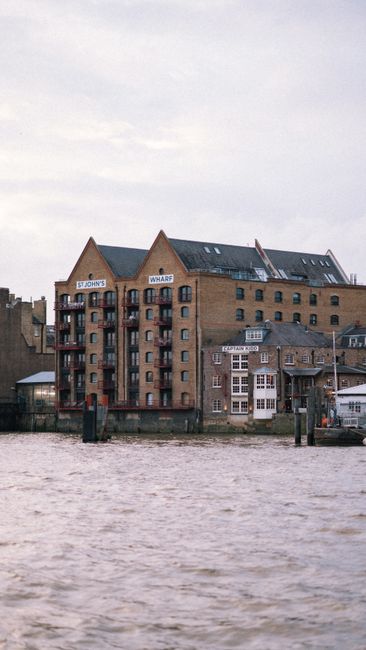
Cleaning guide for riverside flats at Putney Wharf
Riverside living has its perks: the light, the view, the easy walk along the Thames, that quiet sense of being close to the water without giving up London life. But if you live in a riverside flat at Putney Wharf, you will also know the trade-offs. Fine dust drifts in more easily, glass shows marks fast, condensation can build up, and the constant mix of water, wind, and foot traffic changes how you clean day to day. This Cleaning guide for riverside flats at Putney Wharf is built to help you keep the place looking fresh without overworking yourself.
Whether you're a homeowner, tenant, landlord, or managing a rental that needs to stay presentable, the practical challenge is the same: how do you clean for this specific environment, not just for a generic flat? Let's break it down properly. Not in a fussy way. Just the stuff that actually helps.
Table of Contents
- Why this kind of cleaning matters
- How cleaning riverside flats works
- Key benefits and practical advantages
- Who this is for and when it makes sense
- Step-by-step guidance
- Expert tips for better results
- Common mistakes to avoid
- Tools, resources and recommendations
- Law, compliance, standards, or best practice
- Options, methods, or comparison table
- Case study or real-world example
- Practical checklist
- Conclusion
- Frequently asked questions
Why Cleaning guide for riverside flats at Putney Wharf Matters
Riverside flats are lovely, but they sit in a slightly tougher cleaning environment than many inland homes. Moisture from the river air, wind-blown grit, traffic dust, and everyday condensation can all show up faster on surfaces, windows, and soft furnishings. In a place like Putney Wharf, where the surrounding area is busy and the view is often a major feature of the flat, cleanliness is not just about hygiene. It's about preserving the feel of the home.
A clean riverside flat tends to stay brighter, smell fresher, and feel more comfortable to live in. That sounds simple enough, but the important bit is this: you often need a more regular, more preventative approach. If you ignore a bit of damp patching around seals or let window marks build up for weeks, the job becomes harder later. Truth be told, that's where people get caught out.
There's also a lifestyle angle. Many Putney Wharf flats are lived in by busy professionals, couples, sharers, and sometimes owners who travel a fair bit. So the cleaning routine has to be practical, not perfectionist. You want a system that keeps everything under control without turning weekends into a full-time maintenance shift.
Expert summary: riverside flats usually need a cleaning routine that deals with moisture, glass, dust, and soft furnishings more proactively than a standard city flat. Small, regular habits beat occasional deep cleans almost every time.
How Cleaning guide for riverside flats at Putney Wharf Works
The idea is straightforward: clean the flat in layers. Start with the visible surfaces, then move to the areas that collect moisture, dust, or odours, and finally deal with the finishes that make the home feel polished. If you try to do everything in one rushed pass, you tend to miss the things that matter most in riverside properties.
A sensible cleaning routine for Putney Wharf usually includes:
- Surface dusting to remove the fine grit that settles on shelves, skirting boards, and window ledges.
- Glass and mirror care because water spots and fingerprints show up quickly in bright flats.
- Moisture control around windows, bathrooms, kitchens, and any colder corners.
- Fabric and upholstery care to stop odours and trapped dust from hanging around.
- Floor maintenance suited to the flat's finish, whether carpet, wood, or hard flooring.
The best routine depends on how you live. A one-bed apartment used by one person will need a different rhythm from a larger family flat, or a rental being turned around between guests. If you're in a furnished flat, your cleaning also has to protect the landlord's items, not just the rooms. That's where details matter.
In our experience, the biggest difference is consistency. A flat cleaned lightly but regularly stays in better condition than one that gets a heroic scrub every six weeks. Nice idea in theory, a bit messy in practice.
Key Benefits and Practical Advantages
A proper cleaning approach for riverside flats pays off in ways you can feel almost immediately. It's not just about appearances, although let's face it, the windows are a huge part of it.
- Better natural light: cleaner glass and frames let the light in, which makes the flat feel bigger and calmer.
- Reduced damp-related build-up: regular attention to condensation-prone areas helps prevent grime from settling where water collects.
- Less lingering dust: helpful for people who notice allergies, sneezing, or that annoying "flat feels stale" sensation.
- Longer life for finishes: wood, stone, fabric, and metal all last longer when cleaned properly, not aggressively.
- Better resale or rental presentation: a well-kept riverside flat photographs better and feels cared for.
- Lower stress: small routines reduce the panic clean before visitors arrive. We've all been there.
There's also the practical comfort of a home that simply works better. A clean kitchen feels easier to use. A fresh bathroom doesn't nag at you. A bedroom without dust on the skirting boards just rests easier in the back of your mind. Little things, but they add up.
Who This Is For and When It Makes Sense
This guide is useful for anyone living in or managing a riverside flat at Putney Wharf, but some readers will find it especially relevant.
Homeowners
If you own the flat, you're probably thinking about long-term upkeep as well as day-to-day comfort. Riverside properties can be beautiful, but they do need more attentive care around glazing, seals, and moisture-prone areas. A steady cleaning routine helps protect that investment.
Renters
If you rent, you're likely balancing convenience with the expectations of a tenancy agreement. A sensible, non-destructive cleaning routine helps you keep the place presentable without using harsh products that could damage surfaces. End-of-tenancy standards are another matter, of course, and those usually need a more detailed clean.
Landlords and letting managers
If you manage one or more flats, consistency matters more than perfection. You want a repeatable process that keeps the property tidy, hygienic, and ready for inspections, new occupancy, or maintenance checks. One overlooked seal or stained carpet can become an avoidable headache.
Busy professionals and frequent travellers
Many people in Putney Wharf are not short on ambition, just short on time. If that's you, then the aim is a routine that is efficient, not exhausting. Quick weekly resets, targeted monthly work, and an occasional deep clean can be enough if done properly.
Rhetorical question: do you really need to deep-clean the whole flat every weekend? Usually, no. You need the right rhythm, not more effort for the sake of it.
Step-by-Step Guidance
Below is a practical method you can use as a starting point. Adapt it to the size of your flat, your flooring, and how exposed your windows and balcony areas are. The point is not to do everything at once. The point is to do the right things in the right order.
1. Start with airflow
Open windows briefly if weather and security allow. Riverside flats can hold onto a slightly closed-in feel, especially after cooking, showers, or a few damp days. Fresh air helps before you even pick up a cloth. On a chilly morning by the river, ten minutes can make a surprising difference.
2. Dust from top to bottom
Begin with high surfaces: shelves, picture frames, curtain poles, and tops of cabinets. Then move to skirting boards, lower furniture edges, and corners. Fine dust settles quietly in these homes, and if you start at the bottom, you'll just move it around again. Bit of a waste, really.
3. Clean windows, tracks, and frames carefully
This is one of the most important jobs in a riverside flat. Clean the glass, then wipe the frames and tracks, where grit, insects, and condensation residue often collect. A soft cloth and a suitable glass cleaner usually work well, but always check the surface type first. Some frames need gentler treatment than others.
4. Tackle bathrooms and kitchens with moisture in mind
These are the rooms where mould, soap film, and limescale tend to appear fastest. Pay attention to grout lines, around taps, behind sinks, shower screens, and extractor fan covers. In kitchens, wipe the backsplash, handles, and appliance fronts. Damp zones are often tiny at first, then suddenly annoying.
5. Vacuum and mop the right way
Vacuum carpets thoroughly, including edges and under furniture where possible. For hard floors, use a mop that is damp rather than soaking. Too much water is a common mistake in flats, especially around wood or laminate. You want clean, not swollen.
6. Freshen soft furnishings
Sofas, rugs, cushions, and mattresses collect dust and odour more easily than people realise. If you live near the river, with windows open in warmer months, you may notice this even more. Vacuum fabric surfaces gently and deal with spills as soon as they happen. Fast action matters.
7. Finish with touchpoints
Wipe light switches, handles, remotes, cupboard pulls, and railings. These are the details that make a flat feel properly cleaned, not just visually tidy. It's the small shine, if you like.
Expert Tips for Better Results
A few small habits can save a lot of work in riverside homes. Nothing dramatic. Just smart, repeatable practices.
- Use microfiber cloths for dust and glass. They pick up fine particles well and reduce streaking.
- Work in sections so you do not miss moisture-prone corners. One room at a time keeps the job manageable.
- Keep a small caddy with cloths, spray, gloves, and a scrub pad. If everything is together, you are more likely to actually do it.
- Pay attention after wet weather because condensation and tracked-in grit often increase after rain or windy days.
- Deal with spills quickly on carpets and upholstery. The longer a mark sits, the harder it is to lift cleanly.
- Check extractor fans and vents regularly. If they are clogged, moisture will linger longer in bathrooms and kitchens.
- Rotate your deep-clean tasks rather than trying to do the lot in one go. One month it might be curtains, another month the oven or sofa.
One more thing. If your balcony doors or big windows get a lot of use, touchpoints around the handles will show grime before the rest of the flat does. That's often the first clue that a proper wipe-down is due.
Practical rule: in a riverside flat, the jobs that stop problems are usually the boring ones-window tracks, bathroom seals, vents, and the corners nobody notices until they do.
Common Mistakes to Avoid
Riverside flats are not especially difficult to clean, but they do punish the wrong habits. A few avoidable mistakes come up again and again.
- Using too much water on floors can damage wood, laminate, or nearby skirting.
- Ignoring window seals lets moisture and grime build up out of sight.
- Scrubbing delicate surfaces too hard can leave dull patches or scratches.
- Forgetting ventilation means smells and dampness hang around longer than they should.
- Cleaning only what you can see leaves tracks, edges, and hidden corners untouched.
- Leaving soft furnishings too long between cleans makes odours and dust harder to remove.
Sometimes people also buy very strong products because they assume stronger means better. It often doesn't. Harsh chemicals can dull surfaces, damage finishes, or leave residue behind. Better to choose the right product and use it correctly than to go in like a maniac with the first spray bottle to hand.
Tools, Resources and Recommendations
You do not need an enormous kit to clean a riverside flat properly. In fact, too many products can make things worse. A small, reliable set of tools usually does the job better.
Useful tools
- Microfiber cloths for dusting and polishing
- A vacuum with a decent edge tool for corners and skirting
- A mop suitable for your floor type
- A soft brush for tracks, vents, and grout lines
- A glass cleaner or mild solution appropriate for windows and mirrors
- Rubber gloves if you prefer skin protection during deeper cleans
Where specialist services can help
Some jobs are simply better left to specialists, especially when time is tight or the flat has specific issues. For example, if you have carpets that hold onto odours or fibres that need a careful treatment, carpet cleaning may be the most efficient route. For sofas, rugs, and other fabric pieces, upholstery cleaning can make a big difference to freshness without replacing furniture.
If the flat has a lot of glass or tall panes, window cleaning is worth considering, especially where river light makes streaks obvious. And if you are dealing with a more serious reset, maybe after a renovation, tenancy change, or long period of neglect, deep cleaning is often the more realistic option.
For move-related cleaning, the right service depends on the situation. move-in cleaning is useful when you want the space ready before boxes arrive, while move-out cleaning is better when you need the flat left in a tidy, inspection-ready state. Different purpose, different priorities.
Law, Compliance, Standards, or Best Practice
For most residents, the cleaning itself is not heavily regulated, but there are still sensible standards to keep in mind. If you rent the flat, tenancy agreements may set expectations around cleanliness, waste disposal, and the condition in which you return the property. Landlords and managing agents usually expect a reasonable standard of upkeep between inspections and at the end of a tenancy.
If you hire a cleaning company, it is reasonable to check that they work safely, carry appropriate insurance, and use products responsibly. A professional service should be able to explain how they handle surfaces, which materials they avoid, and what happens if something is fragile or already marked. That is just good practice, not over-cautiousness.
For buildings with shared entrances, hallways, or other communal spaces, cleaning responsibilities may be split between the resident and the building management. If that applies to you, it helps to be clear on what is private and what is shared. There is nothing glamorous about a misunderstanding over bin stores or lobby floors, but it happens.
You may also want to consider environmental practice. Many people now prefer cleaning routines that reduce waste, use smaller amounts of product, and avoid unnecessary single-use items. If that matters to you, a service with a sustainability-aware approach can be a better fit. For more on that general approach, see recycling and sustainability.
Where you need reassurance on safety, it is sensible to review the company's own policies, such as health and safety and insurance and safety. That does not guarantee perfection, of course, but it does show the business takes the work seriously.
Options, Methods, or Comparison Table
There is no single best way to clean a riverside flat. The right method depends on time, condition, and how much wear the flat gets. Here is a simple comparison that may help.
| Method | Best for | Strengths | Limitations |
|---|---|---|---|
| Weekly routine clean | Busy households, lived-in flats | Keeps dust and grime under control; easy to maintain | Won't solve deep staining or neglected areas |
| Monthly deep clean | Flats that need a reset | Targets hidden dirt, moisture marks, and stubborn build-up | Takes more time and effort |
| Specialist spot services | Carpets, sofas, windows, ovens | Focused results where the problem is concentrated | Not a full-home solution on its own |
| End-of-tenancy clean | Move-outs and inspections | Designed for handover standards and visible freshness | Usually more intensive than regular upkeep |
If you are unsure which route suits you, start with the condition of the flat rather than the calendar. A well-kept flat may only need a steady routine and occasional support. A flat with recurring moisture, stained fabrics, or heavy use may need a deeper intervention first. That's the honest answer.
Case Study or Real-World Example
Here's a simple real-world scenario. A riverside one-bed at Putney Wharf had a recurring issue with hazy balcony doors, a slightly damp smell after rain, and carpet marks near the lounge area. Nothing dramatic, but enough to make the flat feel less crisp than it should. The owner had been doing quick surface cleans and a bit of vacuuming, but the edges of the job were being missed.
The fix was not complicated. First, the windows and tracks were cleaned properly so the view opened up again. Then the bathroom fan and kitchen extractor were checked, since moisture was hanging around after showers and cooking. The carpet near the lounge doorway was treated, because that was where outside grit was being brought in. Finally, a new habit was added: ten minutes of air flow in the morning, plus a weekly wipe of handles, ledges, and seals.
Within a short period, the flat looked lighter and felt less stuffy. The owner did not suddenly become a cleaning fanatic. Happily, nobody had to. The improvement came from targeting the problem areas, not cleaning harder across the board.
That's usually the pattern in riverside flats: the issues are fairly predictable once you know where to look.
Practical Checklist
Use this as a quick reference before or during your next clean.
- Open windows briefly for airflow if conditions allow
- Dust high surfaces before lower ones
- Clean windows, frames, and tracks
- Wipe condensation-prone areas in bathrooms and kitchens
- Check extractor fans and vents for dust build-up
- Vacuum edges, corners, and under furniture
- Mop floors with the correct amount of water for the surface
- Vacuum or freshen sofas, rugs, and cushions
- Wipe touchpoints such as handles, switches, and railings
- Inspect for small leaks, damp patches, or seal damage
- Rotate deep-clean tasks rather than leaving everything for one day
If you want a simple rule to keep in mind: handle the moisture, then the dust, then the finishes. In that order. It works more often than not.
Conclusion
Cleaning a riverside flat at Putney Wharf is not about chasing spotless perfection. It's about understanding the environment and responding to it sensibly. The river air, bright windows, moisture-prone rooms, and busy daily life all shape what your flat needs. Once you build a routine around those realities, the whole place becomes easier to maintain.
Start with the areas that make the biggest difference: glass, ventilation, soft furnishings, and the hidden corners where dust and damp like to gather. Keep the routine regular, choose the right tools, and call in specialist help when a job is bigger than a normal wipe-down. That approach saves time, protects the property, and keeps the flat feeling genuinely pleasant to live in.
If you're weighing up a deeper clean or a one-off refresh, the next step is simple.
Get a free quote today and see how much you can save.
And if you do nothing else this week, just clear the window tracks and crack a window open for a few minutes. Small win. Big difference.
Frequently Asked Questions
How often should I clean a riverside flat at Putney Wharf?
Most flats benefit from a light weekly routine and a deeper monthly clean, with extra attention after damp weather or periods of heavy use. If the flat has lots of glass or fabric furnishings, you may need to tidy those areas more often.
Why do windows get dirty so quickly in riverside flats?
Riverside locations tend to bring a mix of moisture, wind-blown particles, and visible condensation marks. Bright flats also make streaks and smears easier to notice, so the glass seems to "go" quicker even when the dirt level is fairly modest.
What is the best cleaning method for condensation-prone areas?
Start with ventilation, then wipe away moisture before it lingers. Regularly clean window frames, seals, bathroom surfaces, and extractor covers. If condensation is frequent, it is worth checking whether airflow in the flat is adequate.
Do I need deep cleaning or just regular cleaning?
If the flat is generally well kept, regular cleaning may be enough. If there are stains, lingering odours, built-up grime, or areas that haven't been properly cleaned for a while, a deep clean is usually more practical.
Can I use strong products on all surfaces?
No, and that's where people get into trouble. Some surfaces need mild cleaners, not aggressive chemicals. Wood, stone, upholstery, and sealed finishes can all react differently, so always match the product to the material.
What should I prioritise if I only have 30 minutes?
Focus on touchpoints, kitchen counters, bathroom surfaces, and visible glass. If time is tight, those areas usually make the biggest immediate difference to how the flat feels.
How can I keep a riverside flat smelling fresh?
Ventilation is the first step, then regular cleaning of soft furnishings, bins, drains, and damp-prone rooms. A flat can look clean but still feel stale if hidden moisture or odours are left to build up.
Is window cleaning worth it for a flat with a river view?
Yes, very often. Clean windows make the view sharper, increase light, and improve the feel of the room. In a riverside flat, that can change the whole atmosphere of the space.
What are the most commonly missed spots?
Window tracks, skirting edges, extractor fans, the sides of kitchen appliances, behind bathroom taps, and the underside of furniture. These are the sneaky ones. They hide in plain sight.
Should I hire a professional cleaner for a riverside flat?
If time is limited, the flat needs a reset, or you want specialist care for carpets, upholstery, or windows, hiring a professional can be a sensible option. It is especially useful when you want reliable results without juggling everything yourself.
What's the difference between end-of-tenancy cleaning and regular cleaning?
Regular cleaning maintains the flat week to week. End-of-tenancy cleaning is usually much more detailed and aims to return the property in a condition suitable for handover, inspection, or new occupancy.
Are eco-friendly cleaning methods effective?
Yes, when used properly. Many eco-conscious methods work well for routine maintenance, especially for dusting, wiping, and general surface care. For stubborn stains or specialist problems, you may still need targeted products or professional help.
How do I know if moisture is becoming a problem?
Warning signs include repeated condensation, dark patches near seals, musty smells, peeling paint, or persistent damp areas in bathrooms and around windows. If those appear, it is worth acting quickly rather than waiting for them to spread.
Can the same cleaning routine work for furnished and unfurnished flats?
Not quite. Furnished flats usually need more attention on upholstery, mattresses, rugs, and handles, while unfurnished flats may be simpler but still need careful floor and window maintenance. The routine should fit the layout and contents, not the other way around.